Leak Detection · Greater Sydney
Leak Detection Sydney – We Find Every Leak, Fast and Without the Guesswork
From roof leaks to underground pipe bursts, pool leaks to blocked drains — our licensed technicians use thermal imaging, hydrogen tracer gas, acoustic detection and CCTV inspection to pinpoint the exact source before a single wall, floor or roof tile is opened up.
- All Leak Types Detected
- Non-Invasive Testing
- All Sydney Suburbs Covered
- Same-Week Inspections
- Licensed & WHS Compliant
- Written Reports for Insurance
The Basics
What is Leak Detection - and Why Guesswork Costs you More
A leak rarely shows itself where it starts. Water travels along the path of least resistance — through insulation, timber battens, wall cavities and concrete slabs — before it ever appears as a ceiling stain, a damp patch of carpet or a pooling driveway. By the time you can see it, the damage has usually already spread well beyond the source.
Leak detection is the process of tracing a leak back to its exact entry or failure point using purpose-built equipment — not by cutting open walls and hoping. Because leaks have so many different causes — a cracked roof flashing, a corroded water pipe, a failed shower membrane, a leaking gas fitting, a root-affected sewer line — no single tool finds every leak. Our technicians are trained across every major detection method and choose, or combine, the right ones for your specific job.
The result is a precise, evidence-based diagnosis and a repair plan that solves the actual problem the first time, instead of a guess that only patches the symptom.
Our Methods
Leak Detection Methods We Use
Thermal Imaging Leak Detection
Our FLIR thermal imaging cameras detect temperature differences behind walls, ceilings and slabs, revealing the tell-tale cool trace of an active water leak or the damp footprint left behind one. It’s completely non-invasive — no cutting, no drilling — and is usually the fastest way to narrow down a search area before we confirm the source with a second testing method.
- Finds concealed pipe leaks behind walls, under floors and in ceiling voids
- Non-invasive — no property damage during the search
- Most effective when combined with acoustic or tracer gas testing for final confirmation
Hydrogen Tracer Gas Testing
A safe, non-flammable, non-toxic mix of 5% hydrogen and nitrogen is introduced into the water pipe. Being the lightest gas, it escapes through even the smallest leak and rises to the surface, where our highly sensitive gas detector picks it up with pinpoint accuracy. This method is especially effective for concealed leaks in concrete slabs, under driveways, or behind tiled walls where cutting exploratory holes isn’t an option.
- Detects very small leaks in concrete slabs and hard-to-reach places
- Minimal digging required — repairs are targeted, not exploratory
- Safe for use around the home — non-toxic and non-corrosive
Acoustic Leak Detection
Acoustic detection listens for the distinct sound of pressurised water escaping a pipe, filtering out background noise from traffic, footsteps and conversation. It’s most effective on pressurised water pipes leaking at a reasonable rate and is often used to pinpoint an exact dig spot once tracer gas or a utility locator has narrowed down the pipe route.
- Pinpoints the exact leak location along a pipe run
- Ideal for underground water services and driveway/paved area leaks
- Used together with pipe locating equipment to minimise excavation
Spray Testing & Coloured Tracer Dye
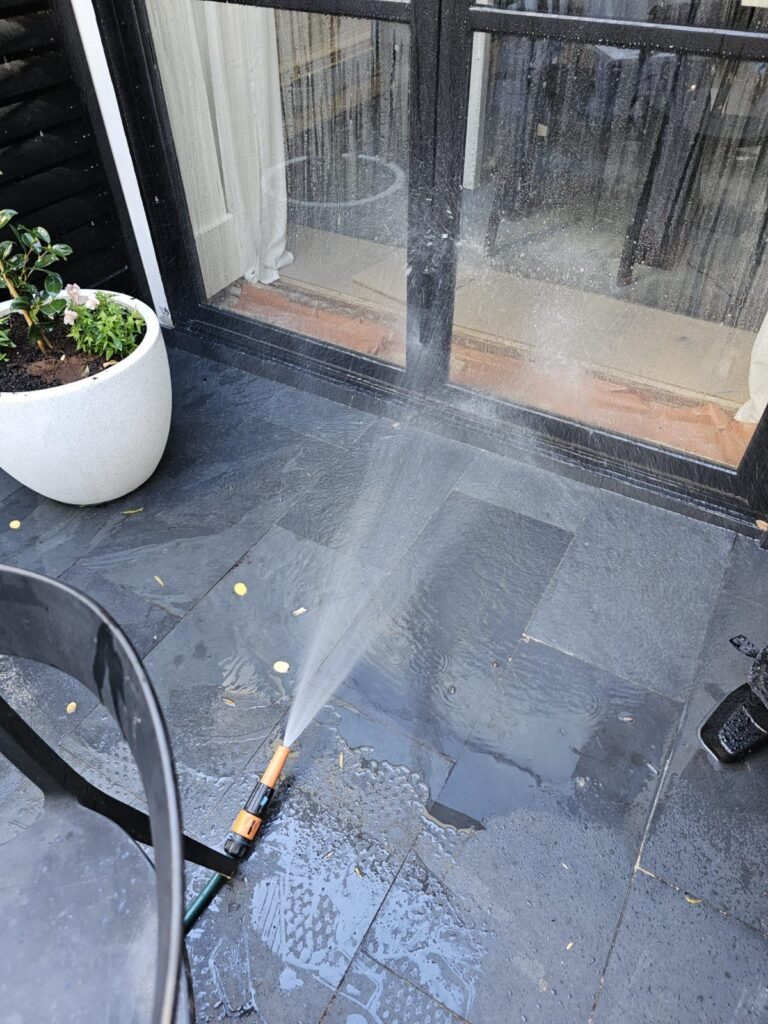
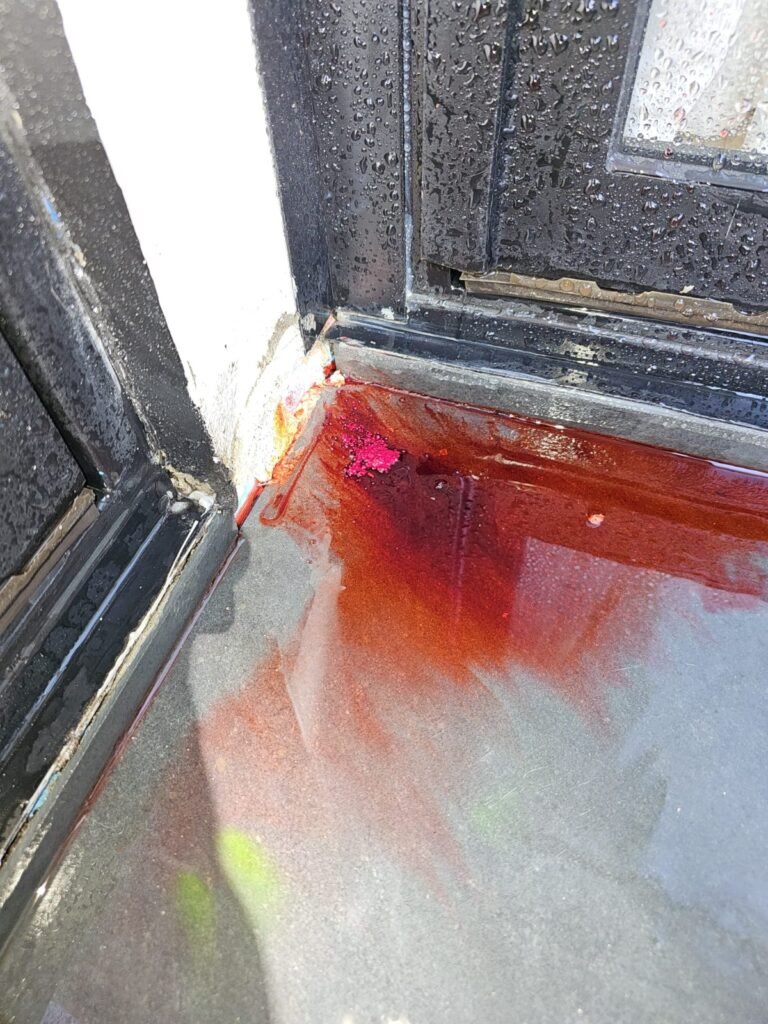
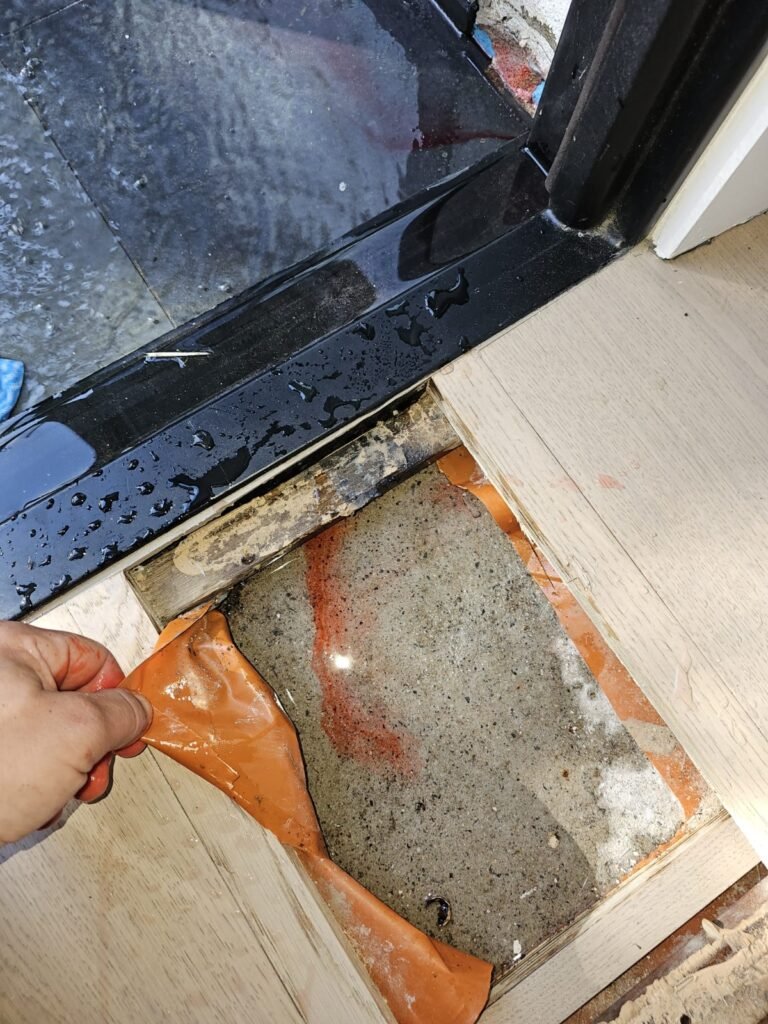
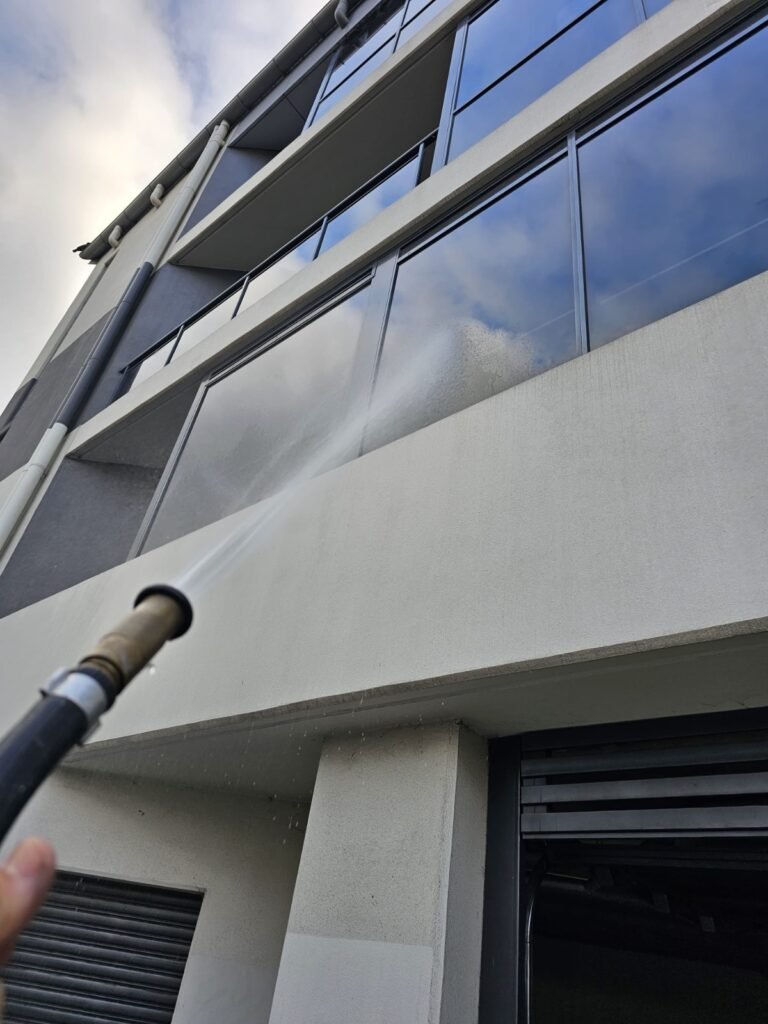
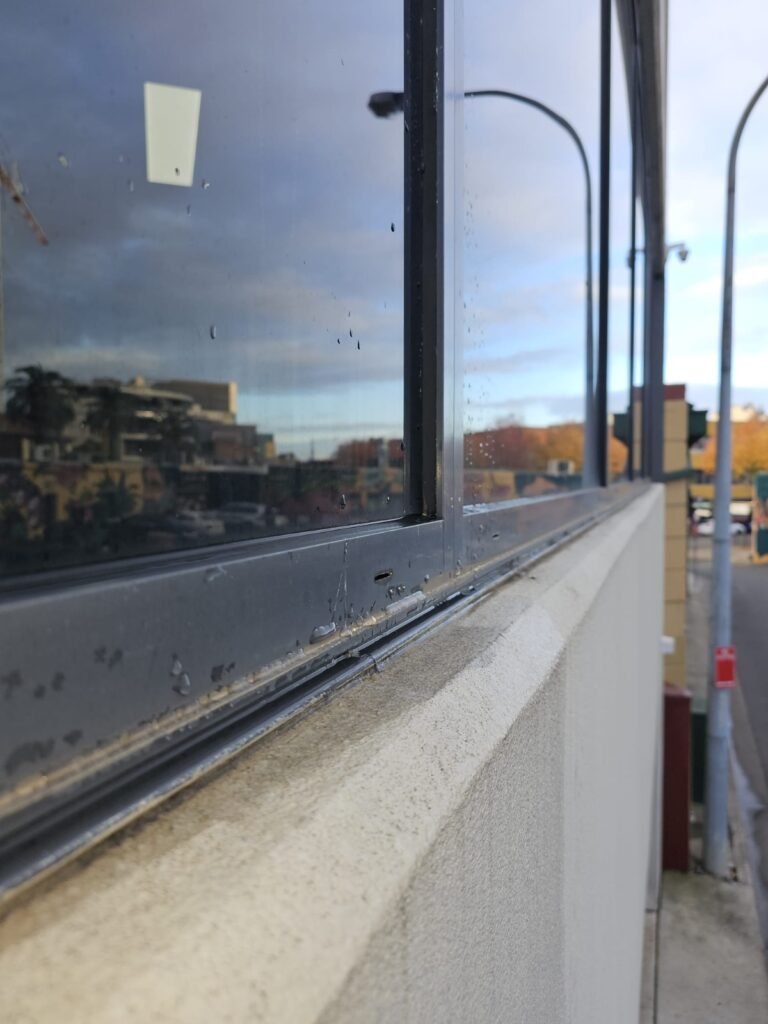
For balconies, sliding doors, windows, showers and roofs, we simulate rain with a controlled, section-by-section spray test. Adding a coloured tracer dye to the test water lets us watch — and photograph — exactly where water penetrates, rather than guessing from where it eventually reappears inside. This is one of the fastest and most visual ways to confirm a leak’s true entry point, and the before/after dye trail doubles as clear photographic evidence for your repair quote or insurance claim.
- Confirms the exact ingress point at doors, windows, balconies, showers and roofs
- Coloured dye provides clear visual and photographic proof of the leak path
- Fast, low-cost first test — often run before more advanced methods are needed
CCTV Drain & Sewer Camera Inspection
A push-camera is fed directly into sewer, stormwater and drain lines, giving us a real-time, on-screen view of the pipe’s internal condition — cracks, root intrusion, offset joints, blockages and collapsed sections — with an on-screen distance counter to mark the exact defect location. This is essential for diagnosing blocked or leaking drains and for producing video evidence for insurance, strata or council reporting.
- Identifies blockages, root intrusion, cracked or collapsed pipe sections
- On-screen distance tracking pinpoints the defect location from the access point
- Video report available for insurance claims, strata records or council notices
Underground & Concealed Pipe Location
Before a leak can be repaired, the pipe itself often needs to be found. We use radio-frequency pipe and cable locating equipment to trace the exact route of water, gas and other services under driveways, lawns and slabs — marking the surface so excavation is targeted to a precise, minimal area rather than a guessed-at trench line.
- Locates underground pipe and service routes before excavation begins
- Reduces dig size and reinstatement cost — paving, concrete, garden beds
- Used alongside acoustic and tracer gas testing to confirm the leak point
Gas Leak Detection & Pressure Testing
For suspected gas leaks, we pressure-test the gas line using a calibrated digital manometer to confirm whether the system is holding pressure correctly, then isolate the affected section. This applies to residential gas hot water systems as well as commercial kitchen gas lines, where a compliant pressure test is often required as part of routine safety checks or after new equipment is connected.
- Calibrated pressure testing confirms whether a gas line is leaking
- Covers residential hot water systems and commercial kitchen gas lines
- Essential safety check after appliance installation, renovation or suspected leak
Roof Leak Detection
Flashing, ridge capping, pipe penetrations, skylights and storm damage — across tile, metal, flat and Colorbond roofs. Our full 5-step roof method, all roof types, warning signs and job-site photo gallery are covered in detail on their own page.
Moisture Meter Testing
Pin and pinless moisture meters measure moisture content inside walls, timber flooring, ceilings and concrete without any surface damage. We use these to confirm whether a suspected area is actually wet, to map how far moisture has travelled, and to verify a repair has fully dried out before reinstatement work begins.
- Confirms and maps moisture without cutting or drilling
- Used to verify drying progress after a leak repair
Every Leak, Every Building
Leak Types We Detect
Roof Leaks
Flashing, ridge capping, pipe penetrations, skylights and storm damage across all roof types.
Underground & Concealed Pipe Leaks
Water pipes under driveways, slabs, lawns and inside wall cavities.
Pool & Spa Leaks
Shell, pipework, skimmer and equaliser leaks causing water loss.
Shower, Bathroom & Wet Area Leaks
Failed waterproofing membranes, grout and shower hob leaks.
Balcony, Window & Sliding Door Leaks
Failed flashing, sealant and door/window track leaks confirmed by spray and dye testing.
Gas Leaks
Residential and commercial gas line pressure testing and leak isolation.
Blocked Drains & Sewer Leaks
CCTV-confirmed root intrusion, cracked pipes and blockages.
Strata & Commercial Leaks
Coordinated inspection and reporting for multi-unit buildings and body corporates.
Don't Wait
Signs You May Have a Hidden Leak
Higher than usual water bill, or a meter that keeps ticking with everything off
Yellow or brown stains on ceilings, cornices or walls
Musty or mouldy smell in a room, storeroom or basement
Paint or plaster bubbling, peeling or blistering
Pooling water on a slab, driveway or garden with no obvious cause
Hissing sound near a wall, floor or meter box
Cupped, lifted or warped timber flooring or skirting boards
Damp or stained carpet, especially along a wall line
White, salt-like efflorescence on tiles, walls or balconies
Rust marks around roof vents, skylights or exhausts
Cracked ridge capping, lifted or missing roof tiles
Sluggish drains, gurgling toilets or sewage odour
Smell of gas, or a gas appliance that won't hold pilot flame — possible gas leak, call us immediately
Noticed any of these signs? Call us today — the longer a leak runs, the more it costs to fix.
Our Process
Our Leak Detection Process
01
Initial Assessment & Visual Inspection
We review the symptoms, water bill history or visible damage, then visually inspect the likely source area — roof, roofline, bathroom, kitchen, driveway, gas line and more.
02
Method Selection
Based on the leak type and location, we choose the right combination of thermal imaging, tracer gas, acoustic detection, spray/dye testing, CCTV or pressure testing.
03
On-Site Testing
Non-invasive testing is carried out section by section until the source is confirmed, with photos taken throughout.
04
Confirmation & Moisture Mapping
Moisture meters confirm the affected area and rule out false positives before we finalise the diagnosis.
05
Written Diagnosis & Repair Recommendation
You receive a clear report: what we found, where it originates, how urgent it is, and what repair is required — with supporting photos for your records or insurance claim.
The Comparison
DIY vs Professional Leak Detection
DIY Approach
Leak Detector Sydney
Guessing based on visible stains
Traced to the exact entry point using purpose-built tools
Random sealant — may not fix the root cause
Targeted repair recommendation based on evidence
No fall protection / confined-space risk
Fully trained, insured & WHS-compliant team
Misses hidden moisture behind walls, slabs or pipes
Thermal, acoustic, gas and moisture testing detect concealed leaks
No written record for insurance claims
Written diagnosis report and photos provided
May invalidate a roof, waterproofing or plumbing warranty
Licensed tradesperson — warranty safe
FAQs
Leak Detection Common Questions
How much does leak detection cost in Sydney?
Cost depends on the leak type, location and testing methods required. We provide a clear quote before starting any paid inspection — call us for an estimate based on your situation.
Is leak detection non-invasive?
Most of our testing methods — thermal imaging, tracer gas, acoustic detection and spray/dye testing — are completely non-invasive. Once the leak is confirmed, targeted repair work may require limited, precise excavation or opening.
How long does a leak detection inspection take?
Most inspections are completed within one to two hours, though larger properties, strata buildings or multiple suspected leaks can take longer.
Do you provide a written report for insurance claims?
Yes — every inspection includes a written diagnosis, and photographic or CCTV video evidence where relevant, suitable for insurance, strata or council submissions.
Do you also carry out the repair?
Yes — as licensed plumbers we can carry out the repair once the leak is confirmed, or provide a report for your existing tradesperson or insurer.
Get a Free Quote
Request a Free Quote
Tell us what’s going on and we’ll get back to you with next steps — usually the same day. Prefer to talk it through first?
Servicing all of Greater Sydney — same-week inspections available.